Thrombotic Microangiopathy
Thrombotic Microangiopathy - Recognition, workup and initial treatment of TMA syndromes.
Practical orientation: TMA is a hematologic and renal emergency. Identify TTP, complement-mediated disease, malignant hypertension and pregnancy-related causes early.
Use first: clinical summary and algorithm.
Then: differential diagnosis, workup and management tables.
Escalate: use red flags and biopsy/urgent-care sections.
Clinical summary
Definition
Endothelial injury causing MAHA, platelet consumption and organ damage.
Renal presentation
AKI, proteinuria, glomerular hematuria and hypertension.
First step
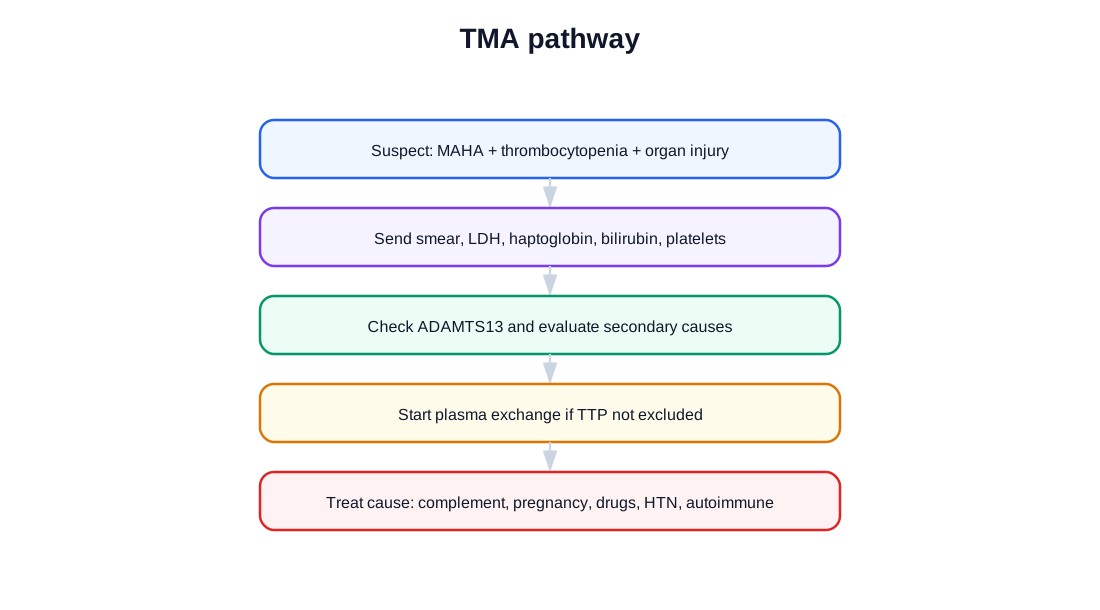
Confirm hemolysis and thrombocytopenia; send ADAMTS13 early.
Do not miss
TTP, complement-mediated TMA, malignant HTN, pregnancy-associated TMA, drug-induced TMA and scleroderma renal crisis.
Algorithm
Causes
| Category | Examples |
|---|---|
| Infection | Shiga toxin E. coli, Shigella, pneumococcus, influenza, HIV, EBV, CMV. |
| TTP | Hereditary or autoimmune ADAMTS13 deficiency. |
| Complement-mediated | Hereditary or acquired complement dysregulation. |
| Pregnancy/postpartum | Preeclampsia, eclampsia, HELLP. |
| Autoimmune | SLE, APS, scleroderma renal crisis. |
| Malignancy/paraprotein | Metastatic adenocarcinoma, monoclonal gammopathy. |
| Drugs | Calcineurin inhibitors, gemcitabine, quinine, ticlopidine, anti-VEGF therapy. |
| Severe hypertension | Malignant HTN can cause renal TMA and mimic primary TMA. |
Diagnosis
| Finding | Interpretation |
|---|---|
| Schistocytes | Microangiopathic hemolysis. |
| High LDH, low haptoglobin, indirect bilirubin | Hemolysis pattern. |
| Thrombocytopenia | Platelet consumption; may be mild in renal-limited TMA. |
| AKI/proteinuria/hematuria | Renal involvement. |
| Biopsy | Fibrin thrombi, endotheliosis, mesangiolysis, onion-skinning in chronic vascular lesions. |
Workup
| Suspected cause | Workup |
|---|---|
| All TMA | CBC/smear, LDH, haptoglobin, bilirubin, creatinine, urinalysis, HIV, cultures if infection possible, SPEP/IFE/free light chains. |
| TTP | ADAMTS13 activity, inhibitor and antigen. |
| Diarrhea-associated HUS | Stool testing for Shiga toxin-producing organisms. |
| Complement-mediated TMA | C3, C4, CH50 and complement genetics/autoantibodies when appropriate. |
| SLE/APS | ANA, antiphospholipid antibodies, complements. |
| Scleroderma | Skin exam, RNA polymerase III antibody. |
| Malignant HTN | Retinal exam, ECG/TTE for target-organ disease. |
| Pregnancy | LFTs, fetal/placental assessment and obstetric input. |
Treatment principles
| Situation | Treatment |
|---|---|
| Etiology unclear and TTP possible | Start plasma exchange urgently while evaluation proceeds. |
| TTP | Plasma exchange plus immunosuppression; rituximab/caplacizumab per local protocol. |
| Complement-mediated TMA | Complement blockade when indicated. |
| STEC-HUS | Supportive care and dialysis if needed. |
| Autoimmune | Treat underlying disease; anticoagulate APS when indicated. |
| Scleroderma renal crisis | ACE inhibitor-based BP control. |
| Malignant HTN | Controlled BP reduction and supportive renal care. |
| Pregnancy-associated | Delivery when indicated; reconsider diagnosis if TMA persists. |